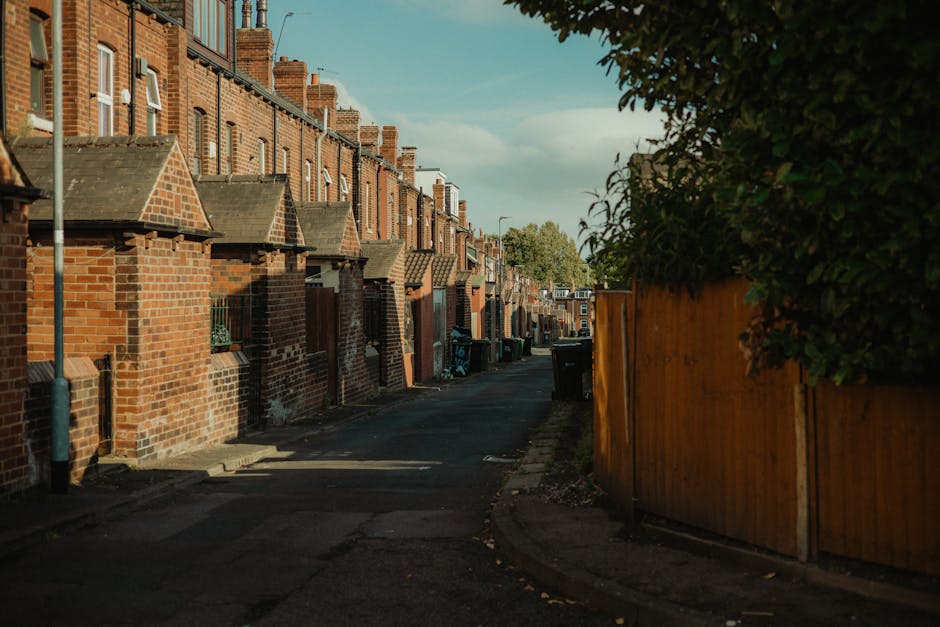
Hayes town removals for narrow street homes: a practical guide for awkward access moves
Moving home is stressful enough without a van blocking half the road, a staircase that twists like a corkscrew, or a front door that barely clears a sofa arm. If you are planning Hayes town removals for narrow street homes, the main challenge is not just getting everything from A to B. It is getting it out of a tight property, through a tight street, and into a vehicle without damage, delays, or a bit of neighbour drama. Truth be told, that is where many moves start to unravel.
This guide breaks down how narrow-street removals work in Hayes town, what to look out for, and how to make the day go smoothly. You will find practical steps, common mistakes, compliance considerations, and a realistic comparison of moving options so you can choose the right approach with confidence. If you want a broader overview of home-moving support, it can also help to look at home moves and house removals as part of your planning.
Table of Contents
- Why narrow street removals matter in Hayes town
- How the moving process works in tight-access homes
- Key benefits and practical advantages
- Who this is for and when it makes sense
- Step-by-step guidance for moving day
- Expert tips for a smoother move
- Common mistakes to avoid
- Tools, resources and recommendations
- Law, compliance and best practice
- Options and method comparison
- Real-world example
- Practical checklist
- Conclusion
- Frequently Asked Questions
Why Hayes town removals for narrow street homes Matters
Narrow streets change everything. A straightforward domestic move can become complicated the moment a vehicle cannot park close to the property, or you realise the hallway is too tight for a king-size mattress to turn properly. In Hayes town, that sort of access issue is common enough that it needs to be planned for, not discovered on the morning of the move.
Why does it matter so much? Because tight access affects three things at once: safety, time, and cost. If removal staff have to carry items further, make more trips, or work around parked cars, the schedule naturally stretches. And once time starts slipping, stress usually follows. Nobody wants to be standing on the pavement at 8:30 in the morning wondering how a wardrobe that looked fine in the bedroom suddenly seems impossible.
For many local homes, especially terraced houses, older conversions, or properties on busier residential roads, the key issue is not the size of the home itself. It is the route in and out. A good moving plan accounts for that from the start rather than hoping the problem will somehow disappear. It will not. Narrow streets are honest like that.
How Hayes town removals for narrow street homes Works
A well-run narrow-access move starts with assessment. Before any boxes are lifted, a removal team should understand the street width, parking options, turning space, entry points, stair layout, and whether there are obstacles such as low branches, a steep kerb, shared entrances, or a tight internal landing. That information shapes the entire moving plan.
In practice, the process usually looks like this:
- Survey the access - confirm the property layout, road width, and where the vehicle can safely stop.
- Choose the right vehicle size - sometimes a smaller moving van is far more effective than a large truck.
- Decide on packing and load order - heavy or awkward items are loaded first, and delicate pieces are protected carefully.
- Plan carry routes - from front door to vehicle, or through side access if available.
- Protect the property - door frames, banisters, floors, and walls are covered where needed.
- Move in a controlled sequence - not all items at once, and definitely not in a rush.
That sequence sounds simple, but it is where the difference lies. A small operational choice, like using two shorter runs instead of one oversized vehicle load, can save a move from becoming awkward. If the load is modest and access is especially tight, some customers prefer a man and van style service because it can be more flexible on compact streets.
It also helps when packing is done in a way that mirrors the access problem. For example, if a dining table has to pivot around a narrow stair bend, it may need to be dismantled before moving. That is not overkill. That is common sense.
Key Benefits and Practical Advantages
There are real benefits to choosing a removal approach designed for narrow street homes rather than hoping a standard move will fit the situation.
- Less risk of damage - to furniture, walls, railings, windows, and parked vehicles.
- Better time control - fewer unexpected delays caused by access problems.
- Lower stress - because the move is planned around the property, not against it.
- Improved safety - carrying heavy items through tight spaces is easier when the route is assessed properly.
- More efficient loading - the right vehicle and loading order help avoid repeated shuffling.
- Neighbour-friendly approach - less blocking, less noise, and fewer awkward apologies in the street.
There is also a subtle but important benefit: better judgment. When a team is used to awkward access, they tend to spot issues earlier. A staircase with a tight turn, a front garden wall, or an awkwardly parked car is not a surprise to them. It is Tuesday morning.
For some households, especially those moving a modest volume of items, a smaller vehicle and a focused crew can be more practical than a bigger operation. If that sounds familiar, you may also want to explore the broader range of removal services to understand what level of support matches your move.
Who This Is For and When It Makes Sense
This type of move makes sense for anyone whose property access is tight enough to affect loading or parking. That usually includes:
- terraced homes on narrow residential streets
- older houses with small hallways or steep staircases
- converted flats with limited communal access
- homes close to busy local roads where stopping time is limited
- households with large furniture but limited external space
- people moving on a schedule where timing matters, such as lease handovers
It also makes sense if you are moving a mixture of bulky and fragile items. A narrow street does not just make the van parking awkward. It can also make the actual lift more delicate. Think about a sofa that has to be tilted, rotated, then eased through a front door without scraping the paintwork. That is the sort of detail that separates a smooth move from a frustrating one.
If your move is more complex, for example if you are moving a home and a small work setup at the same time, you may need a more tailored plan. In those cases, house movers or even office removals can help you think through the right mix of vehicle size, packing support, and timing.
Step-by-Step Guidance
If you want the day to go well, the best thing you can do is think in stages. Here is the simple version, though of course real life likes to add a curveball or two.
1. Measure the awkward bits first
Check the narrowest parts of the route, not just the front door. Measure hallways, stair landings, door widths, and any turns where furniture needs to pivot. If you have a wardrobe or bed frame that barely fits in the room now, it is worth dismantling it before move day. Better that than discovering the problem while standing at the threshold with everyone watching.
2. Identify parking and stopping points
In a narrow street, the vehicle location can make or break the move. Work out where a van can stop without blocking access, and whether the route from vehicle to property is safe enough for repeated carrying. If there is no straightforward parking, a smaller vehicle may be the better call.
3. Sort items by access difficulty
Not everything should be packed the same way. Heavy furniture, fragile glass, and oddly shaped items deserve special treatment. The items that will be hardest to move should be dealt with first in the loading plan, not last when everyone is tired.
4. Protect the home
Door edges, bannisters, flooring, and corners should be protected where needed. In older Hayes town properties, paintwork and plaster can be surprisingly easy to mark. It only takes one rushed turn with a fridge or chest of drawers. That tiny scrape suddenly becomes the thing you remember about the whole day.
5. Keep a clear route inside
Boxes left on stairs, shoes in the hallway, and half-open bags on the landing are a nuisance on any move day. On a tight-access move, they are more than a nuisance. They are trip hazards. Keep the route clean and free, even if it means one room looks rather bare for a few hours.
6. Load in a sensible sequence
Load larger, heavier pieces first, then layer boxes and softer items around them. Do not overpack the van. A tightly packed vehicle is not automatically a good one if the order means everything has to be unloaded and rearranged later. A little planning saves a lot of cursing. Honestly.
Expert Tips for Better Results
Here are the small details that often make the biggest difference.
- Book the move earlier in the day if possible. Streets are usually calmer, and you are less likely to meet the full force of the school-run or afternoon parking chaos.
- Use smaller loads if access is really tight. It can be more efficient to do two clean trips than one impossible one.
- Label fragile items clearly so they are handled with the right level of care, especially when carrying is slow and winding.
- Keep keys, documents, chargers, and valuables with you rather than in the moving pile.
- Tell your movers about any awkward items upfront - pianos, glass tables, oversized sofas, heavy wardrobes, or anything that needs disassembly.
- Leave a little breathing room in the schedule. Tight streets rarely reward overconfidence.
One practical tip that gets overlooked: think about where the van doors can open fully. On a narrow street, even a parked car opposite can affect how safely items can be passed in and out. It sounds minor. It is not.
If you are comparing moving approaches, it may help to look at man with van and man with van removal options, especially if your move is small to medium and the street access is the main issue.
Common Mistakes to Avoid
Some mistakes are easy to make because they feel harmless at the time. They usually are not.
- Assuming the road is wide enough because a normal car can pass through. A removals vehicle is a different story.
- Leaving access checks until the day of the move. By then, your options are limited.
- Not measuring large furniture against hallways and stair turns.
- Booking the wrong size vehicle, then trying to make it work with too many compromises.
- Ignoring parking restrictions or local stopping constraints.
- Overpacking boxes so they become hard to carry safely through narrow spaces.
- Forgetting dismantling time for beds, tables, or shelving that will not fit intact.
There is a particularly common one: people focus on the front door, then forget the staircase. The staircase is where a lot of narrow-home moves become complicated. If there is a tight landing or a turn halfway up, that should be part of the plan from the start.
Tools, Resources and Recommendations
You do not need a warehouse of kit to handle a tight-access move, but a few tools and support choices make life easier.
| Tool or support | Why it helps | Best for |
|---|---|---|
| Furniture blankets | Reduce scratches and protect edges on furniture and walls | Sofas, wardrobes, tables, white goods |
| Removal straps | Improve grip and control on awkward items | Heavy boxes, appliances, bulky furniture |
| Dismantling kit | Allows beds and larger items to be taken apart safely | Bedrooms, flat-pack furniture, large tables |
| Floor protection | Helps avoid marks and scuffs during repeated carrying | Long carry routes and older flooring |
| Small-to-medium van | Fits tighter streets more easily than larger vehicles | Homes with limited parking or narrow access |
From a service point of view, a lot depends on how much you are moving. If you only have a few rooms of furniture, a flexible option such as man and van removals may be enough. If your household is larger, or you want more hands on deck, a more complete team through removal company support may suit you better.
For customers who like to compare budgets before committing, pricing and quotes is a sensible place to start. It is always better to ask clear questions early than to guess and hope, which is a strategy that rarely ages well.
Law, Compliance and Best Practice
For residential removals in the UK, there are a few practical compliance and best-practice points worth keeping in mind. You do not need to become a legal expert to move house, but you should expect any competent removals provider to handle their work responsibly and safely.
That normally means:
- moving in line with general health and safety expectations
- using suitable lifting methods for heavy items
- protecting property during handling and loading
- respecting parking, access, and obstruction issues sensibly
- communicating clearly about damage risk and insurance cover
For peace of mind, it is sensible to review health and safety policy information and insurance and safety details before you book. That is especially useful when the move involves awkward stairs, shared access, or expensive furniture. Insurance terms vary, so the careful thing is to check what is included and what is not.
It is also worth reading the terms and conditions if you are comparing service options, because little details like arrival windows, access assumptions, and cancellation points can matter more than people expect. Same goes for payment and security, particularly if you want to understand how the booking is handled.
Best practice is simple, really: be honest about access, be specific about the property, and ask for clarity rather than hoping the crew will just work it out when they arrive. That approach saves everyone time.
Options, Methods, or Comparison Table
Not every narrow street move needs the same type of support. The right choice depends on volume, access, budget, and how much lifting is involved.
| Option | Best suited to | Strengths | Watch-outs |
|---|---|---|---|
| Man and van | Smaller moves, single occupants, low furniture volume | Flexible, often easier on tight streets | May need more trips if load is larger than expected |
| Van with two-person team | Medium moves with bulky items | Good balance of handling power and access flexibility | Still requires careful packing and route planning |
| Full removal team | Family homes or more complex moves | More support for packing, carrying, and loading | Needs careful vehicle choice in narrow streets |
| Partial DIY with hired van | People doing some work themselves | Lower cost in some cases | Higher physical effort and more risk if access is difficult |
There is no one-size-fits-all answer. A modest flat move on a narrow road may be perfect for a smaller vehicle. A family home with three floors and a heavy sofa, not so much. In that case, a larger team through movers or more tailored removal company support can be the more sensible route.
Case Study or Real-World Example
Picture a typical Hayes town street on a weekday morning. Cars are already parked tightly along both sides, the pavement is narrow, and the house is a classic terrace with a sharp turn on the stairs. The customer has a bed, two wardrobes, a dining table, several boxes of books, and a couple of fragile mirrors.
Instead of sending in a large vehicle and hoping for the best, the move is planned around the access. The team checks the route in advance, parks where the van can be loaded safely, and dismantles the wardrobes before carrying them out. The mirrors are wrapped separately. The dining table is moved with a clear lift path rather than by forcing it through the landing at an angle that would have ended badly for the wall. Simple choices, but they matter.
The biggest win in this kind of job is usually not speed. It is calm. Calm packing, calm lifting, calm communication with the customer, and calm loading on a street that gives you very little room to improvise. By the late afternoon, the home is empty, the keys are handed over, and nobody has had to apologise to three different neighbours. That is a good day in removals.
Practical Checklist
Use this as a pre-move sanity check. It is simple, but it catches a lot of problems before they turn into moving-day headaches.
- Measure the front door, hallway, staircase, and any awkward turns.
- Confirm where the van can park and how long it can safely stay there.
- List any furniture that needs dismantling.
- Wrap or protect fragile items in advance.
- Clear the route from every room to the exit.
- Tell the removals team about access issues, steps, or shared entrances.
- Check whether you need a smaller van rather than a larger truck.
- Keep essentials, documents, and valuables with you.
- Review the booking details, terms, and insurance information.
- Allow extra time for loading and carrying if the street is especially tight.
If you are still at the planning stage, it may also help to think about removals near me in the context of local access, rather than simply distance. The nearest team is not always the best fit, but a local team that understands the streets often has a real advantage.
Conclusion
Hayes town removals for narrow street homes are all about preparation, vehicle choice, and honest access planning. Once you account for the actual layout of the road and the property, the move becomes much more manageable. You do not need perfection. You need a clear plan, the right equipment, and a team that understands how tight spaces change the job.
Get those basics right and you will usually find the rest falls into place. The house becomes a route, the route becomes a sequence, and the sequence becomes a finished move. Not glamorous, perhaps, but very satisfying.
Get a free quote today and see how much you can save.
And if you want to know more about the people behind the service, you can also read about us or get in touch through the site when you are ready. A careful move is never wasted effort. It is the quiet kind of relief you only really appreciate once the last box is in place.
Frequently Asked Questions
What makes narrow street home removals in Hayes town more difficult?
Narrow streets limit parking, turning space, and loading room. That means the removals team may need a smaller vehicle, a longer carry route, or more careful scheduling to keep the move safe and efficient.
Do I need a small van for a narrow street move?
Not always, but smaller vehicles are often easier to position on tight roads. If the property access is especially limited, a moving van or similar flexible setup can be a smarter choice than a larger truck.
How do I know if my sofa or wardrobe will fit through the house?
Measure the item at its widest point and compare it with doorways, stair turns, and hallway width. If you are close to the limit, dismantling the furniture is often the safest option.
Can removals teams help with dismantling furniture?
Yes, many removal jobs involve basic dismantling and reassembly planning. It is best to mention this in advance so the team arrives prepared and schedules the time properly.
What should I do about parking on a tight residential street?
Check where a van can stop without blocking traffic or access. If parking is difficult, tell the removals provider early so they can plan the load and vehicle size around it.
Is a man and van service enough for a narrow street home?
It can be, especially for smaller moves or lighter furniture loads. For bigger homes or lots of bulky items, a fuller removal service may be more appropriate.
How far in advance should I book?
As early as you can, especially if your move date is fixed and access is tight. Narrow-street jobs need more planning than standard moves, and leaving it late reduces your options.
What if my street gets busy during the day?
That is common in many parts of London. An early start can help avoid congestion and reduce the chance of getting boxed in by parked cars or passing traffic.
Are my belongings covered if something gets damaged?
Coverage depends on the service and the terms agreed at booking. Always check the insurance and safety details carefully so you know what is included before moving day.
Can I do part of the move myself to save money?
Yes, some people move smaller boxes or non-fragile items themselves and use professional help for the heavy pieces. That can work well, but only if the access route is still safe and manageable.
What is the biggest mistake people make with narrow street removals?
Underestimating access. People often focus on the number of boxes and forget about parking, stair turns, and carrying distance. Access is usually the thing that changes everything.
Where can I compare move options and understand costs better?
A good place to start is the site's pricing and quotes page, alongside the service pages for your move size. That gives you a clearer picture of what level of help is likely to suit your home.